Home care agencies are experiencing rapid changes as patient expectations, compliance standards, and workforce demands continue to grow. Providers are no longer relying on paper files and manual scheduling systems to manage daily operations. Instead, many organizations are adopting digital platforms that simplify care coordination, improve communication, and support better patient outcomes.
Technology has become an essential part of delivering reliable and efficient care in home-based settings. From caregiver scheduling to clinical documentation, modern systems help agencies operate with greater accuracy while reducing administrative burden.
The Growing Need for Smarter Care Management
Managing a home care agency involves multiple responsibilities at the same time. Administrators must coordinate caregivers, monitor patient care plans, track compliance requirements, and ensure timely billing. Without a centralized system, these tasks can quickly become overwhelming.
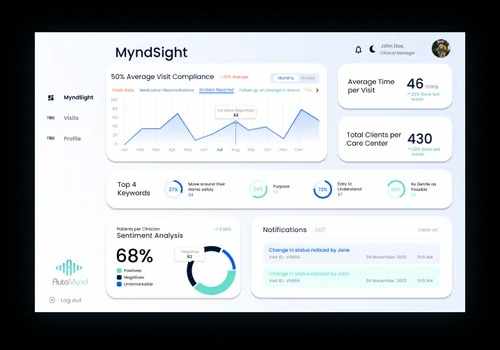
Digital solutions help agencies streamline operations by placing everything in one platform. Caregivers can access schedules, patient notes, and task updates directly from mobile devices. Office staff can monitor visits in real time, reducing missed appointments and communication gaps.
These improvements not only save time but also increase trust between agencies, caregivers, and families. When information is organized and accessible, providers can focus more on delivering quality care instead of handling paperwork.
Better Scheduling and Caregiver Coordination
One of the biggest challenges in home care is managing caregiver schedules effectively. Last-minute call-offs, overlapping visits, and travel delays can disrupt patient care and create unnecessary stress for coordinators.
Advanced scheduling systems help agencies assign caregivers based on availability, qualifications, and patient needs. Automated alerts and real-time updates make it easier to respond quickly to changes.
Many providers are now turning to personal care home care software to simplify workforce management and improve service consistency. These systems often include scheduling, payroll tracking, caregiver documentation, and communication tools within a single platform.With better coordination, agencies can reduce operational inefficiencies while ensuring patients receive dependable support.
Improving Patient Documentation and Compliance
Accurate documentation is critical in home care services. Agencies must maintain detailed records of patient conditions, medications, treatment plans, and caregiver activities. Manual documentation methods often increase the risk of errors, incomplete records, and delayed reporting.
Electronic medical record systems help agencies maintain organized and secure patient information. Digital records can be updated instantly, making it easier for caregivers and administrators to access accurate data whenever needed.
Many organizations are now adopting emr for private duty home care to improve compliance and streamline clinical workflows. These systems help providers document visits more efficiently while supporting regulatory requirements and audit readiness.By reducing paperwork and improving accuracy, agencies can spend more time focusing on patient-centered care.
Enhancing Communication Across Teams
Communication is one of the most important elements of successful home care. Caregivers, coordinators, patients, and family members must stay informed about schedules, care updates, and emergencies.
Modern care management platforms support secure messaging, notifications, and shared documentation. This allows teams to collaborate more effectively and respond quickly when issues arise.
Improved communication also helps families feel more connected to the care process. Real-time updates and transparent reporting create greater confidence in the services being provided.
Conclusion
As the home care industry continues to evolve, digital solutions are becoming essential for operational efficiency and quality patient support. Agencies that invest in advanced technology can improve scheduling, documentation, compliance, and communication while reducing administrative workload.
Platforms like automynd.com are helping home care providers modernize their operations and deliver more reliable, patient-focused services in an increasingly competitive healthcare environment.


Write a comment ...