Home Health Software | Automynd
Upgrade your system with home health software designed for modern healthcare needs. Visit AutoMynd to automate workflows, enhance documentation accuracy, and improve efficiency across all home health operations.

Upgrade your system with home health software designed for modern healthcare needs. Visit AutoMynd to automate workflows, enhance documentation accuracy, and improve efficiency across all home health operations.
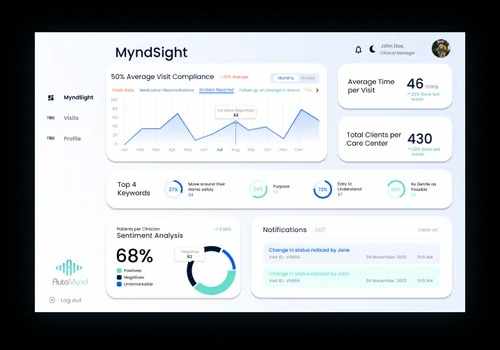
The healthcare industry is evolving rapidly, and agencies providing in-home medical services are embracing digital transformation like never before. As patient expectations rise and regulations become more demanding, agencies need tools that streamline operations while improving care quality. This is where a reliable home health EHR system becomes an essential asset for healthcare providers seeking efficiency, accuracy, and patient satisfaction.
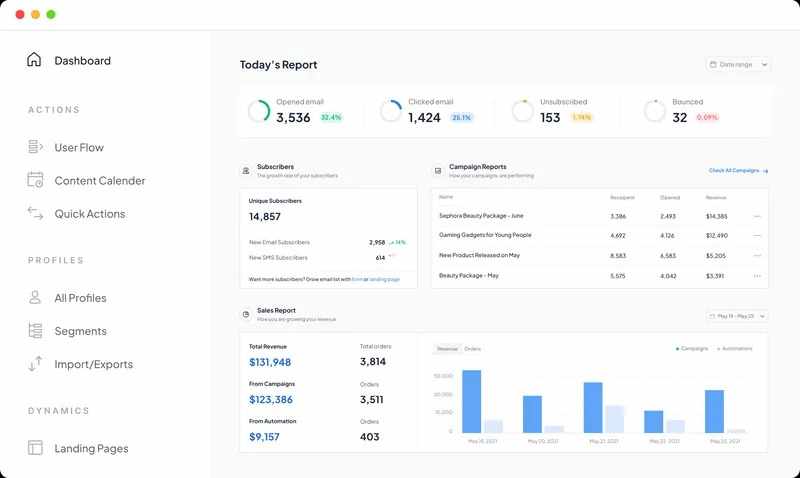
Home healthcare has evolved rapidly over the past decade. Patients now expect personalized treatment, seamless communication, and efficient care coordination without leaving their homes. At the same time, healthcare providers must manage documentation, compliance, scheduling, billing, and patient records while maintaining high-quality care. This growing complexity has increased the demand for advanced ehr systems for home health and reliable emr systems for home health.

The home care industry is evolving rapidly as agencies seek smarter ways to improve patient outcomes, streamline operations, and reduce administrative burdens. In today’s competitive healthcare environment, agencies can no longer rely on paper records, manual scheduling, or disconnected systems. Advanced digital solutions such as personal care home care software and integrated healthcare platforms are helping organizations deliver more efficient and compassionate care.

Healthcare is rapidly evolving, and agencies providing in-home medical support are under increasing pressure to deliver high-quality care while managing complex administrative tasks. As patient expectations rise and regulations become stricter, organizations are turning toward digital platforms that simplify operations and improve communication. This is where modern home health software becomes essential.
The healthcare industry has experienced a major technological shift over the last decade, especially in the home healthcare sector. Agencies and providers are now focusing on digital transformation to improve patient care, simplify documentation, and ensure regulatory compliance. As patient expectations rise and healthcare regulations become more complex, organizations are turning toward advanced software solutions to manage operations efficiently.
The home care industry has evolved rapidly over the last decade, with agencies striving to provide high-quality services while managing complex administrative responsibilities. From patient scheduling to caregiver coordination, the demand for efficient digital tools has become greater than ever. Healthcare providers now rely on advanced technologies to streamline operations, improve patient outcomes, and ensure compliance with industry regulations. Among the most valuable innovations in this field is personal care home care software, which has transformed the way agencies manage daily tasks and deliver compassionate care.
Healthcare organizations today are navigating a rapidly changing landscape where efficiency, accuracy, and patient satisfaction have become top priorities. As medical providers strive to deliver better services, technology has emerged as the backbone of operational success. Among the most impactful innovations in this space is home health software, which is helping agencies streamline patient management, automate administrative tasks, and improve communication between caregivers and patients.
Home care agencies are experiencing rapid changes as patient expectations, compliance standards, and workforce demands continue to grow. Providers are no longer relying on paper files and manual scheduling systems to manage daily operations. Instead, many organizations are adopting digital platforms that simplify care coordination, improve communication, and support better patient outcomes.
The healthcare industry continues to evolve as agencies look for faster, safer, and more organized ways to deliver patient care. Home-based healthcare providers especially face increasing pressure to manage schedules, patient records, billing, compliance, and communication without delays. Traditional paper systems and disconnected tools often create inefficiencies that impact both caregivers and patients.